Most brands don’t set out to mislead. But many still present a version of the truth that is easier to market than it is to believe.
This shows up in different forms. Greenwashing suggests environmental responsibility that isn’t fully supported. Social washing signals ethical practices without meaningful depth. Health washing positions products as better for you without clear evidence. Across categories, the pattern is consistent. A claim is made. It sounds positive. It feels directionally right. But when you look closer, it lacks substance, context, or verification.
These aren’t always outright falsehoods. They are often partial truths, selective framing, or exaggerated signals designed to reduce friction in the decision-making process. In reality, they tend to do the opposite.
At the centre of this is claim washing. The practice of presenting claims, certifications, or signals in a way that overstates credibility while understating complexity.
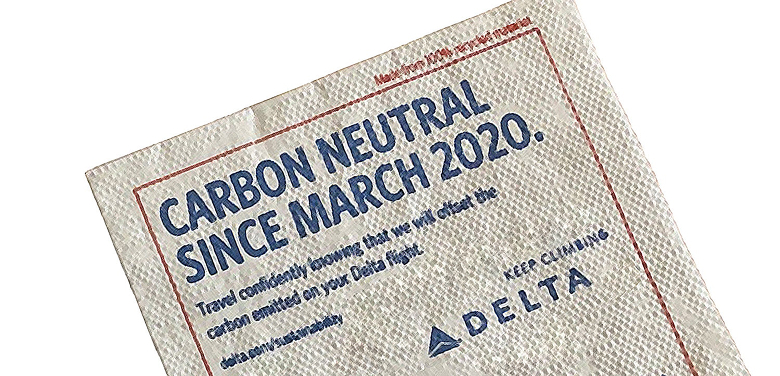
What claim washing actually looks like
Claim washing is rarely obvious. It operates in the grey space between true and fully transparent.
Some common patterns:
1. Misleading or low-value certifications
A product displays a certification badge that appears credible but is either self-awarded, loosely regulated, or not widely recognised.
Example:
A skincare brand promotes “dermatologically tested” as a trust signal. While technically true, this often only means the product was tested on skin, not that it was approved, recommended, or proven effective.
2. Hidden trade-offs
A single positive attribute is highlighted while broader impacts are ignored.
Example:
A clothing brand promotes “made from recycled materials” without acknowledging the environmental cost of production, shipping, or product lifespan.
3. Vague or undefined language
Words that feel meaningful but lack clear, consistent definitions.
Example:
“Clean,” “natural,” “ethical,” or “sustainable” used without explanation of what standards are being applied or how they are measured.
4. Visual implication over proof
Design elements used to signal trust without explicit backing.
Example:
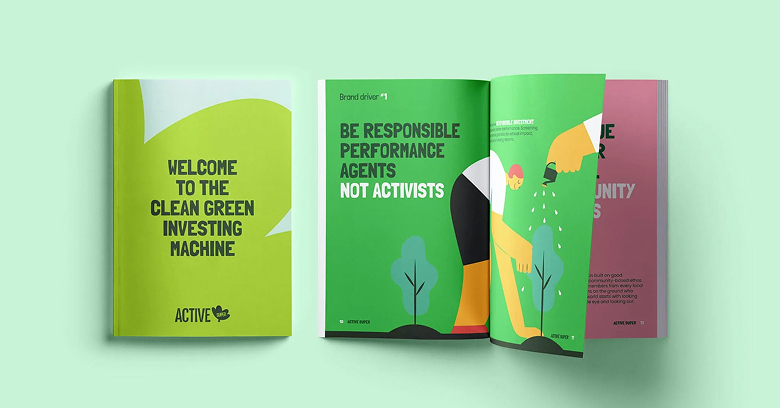
Green colour palettes, leaf icons, or badge-style graphics used to imply sustainability, even when the underlying claim is weak or absent.
5. Inflated or decontextualised social proof
Real signals presented in a way that exaggerates their significance.
Example:
“Trusted by leading brands” alongside logos from past pitches, minor engagements, or unrelated business units, without clarifying the nature of the relationship.
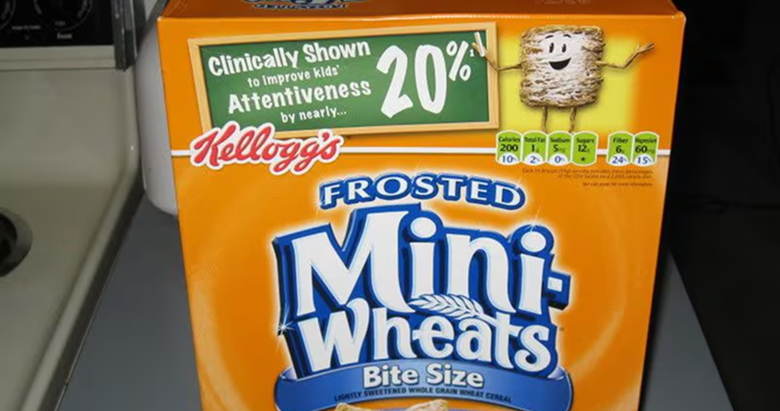
Why this is happening more often
Several forces are driving the increase in claim washing.
Design systems and templates prioritise visual credibility. Legal and brand teams soften claims to reduce risk, often stripping out the detail that makes them believable. Marketing teams reuse familiar patterns like testimonials, certifications, and logo bars without adapting them to context. And AI-generated content is making it easier to produce claims that sound convincing but lack grounding.
At the same time, users are becoming more aware of these patterns. They may not consciously analyse them, but they recognise when something feels incomplete.
The real impact: hesitation at the point of decision
Claim washing rarely causes users to leave immediately. Instead, it creates doubt at the exact moment conviction is required.
A user might think:
- “This sounds good, but I’m not fully convinced”
- “I should compare a couple of other options”
- “I’ll come back to this later”
This is where performance is lost.
Conversion is not just about getting attention or even interest. It’s about helping someone feel confident enough to act. When claims feel vague, inflated, or incomplete, they fail to resolve the user’s underlying uncertainty.
And uncertainty delays decisions.
When real credibility becomes indistinguishable
One of the more overlooked consequences is that strong brands get pulled into the same problem.
Many brands have genuine strengths. Real sustainability efforts. Proven results. Ethical supply chains. But when these are communicated using the same vague language and patterns as weaker claims, they become harder to distinguish.
The issue is no longer whether the claim is true. It’s whether it is believable.
When everything sounds “trusted,” “leading,” or “sustainable,” those words stop carrying weight.
How to recognise claim washing in your own experience
A simple way to sense this is to look for gaps between the claim and the explanation.
- Does the claim answer “how” or just “what”?
- Is there enough detail to understand the context?
- Could a competitor say the exact same thing?
If the answer to that last question is yes, the claim is likely too generic to build trust.
What stronger claims do differently
Effective trust signals don’t just highlight positives. They reduce doubt.
They do this by being:
Specific
Clear, measurable, and grounded in reality.
Contextual
Relevant to the user’s situation, not just the brands.
Verifiable
Supported by something observable, whether that’s data, explanation, or third-party validation.
Balanced
Willing to acknowledge limitations or trade-offs where they exist.
Example:
Instead of “sustainably made,” a stronger claim might be:
“Made using 60% recycled materials, reducing production emissions by 35% compared to our previous range.”
Instead of “trusted by leading brands”:
“Delivered conversion optimisation programmes for enterprise eCommerce teams including [category], focused on increasing checkout completion rates.”
The role of design in reinforcing or undermining trust
Design can amplify credibility, but it cannot create it.
When visual signals align with clear, detailed claims, they strengthen each other. When they rely on implication alone, they create tension. Users may not consciously identify the issue, but they will feel less certain.
Trust should come from clarity first, and presentation second.
Closing thought
Trust isn’t built by making things look better. It’s built by making things clearer.
Claim washing focuses on amplifying positives while minimising complexity. But real decisions are made in the presence of uncertainty. Users are not looking for perfection. They are looking for enough clarity to feel confident moving forward.
In that context, the brands that win are not the ones making the biggest claims.
They are the ones making the most believable ones.